
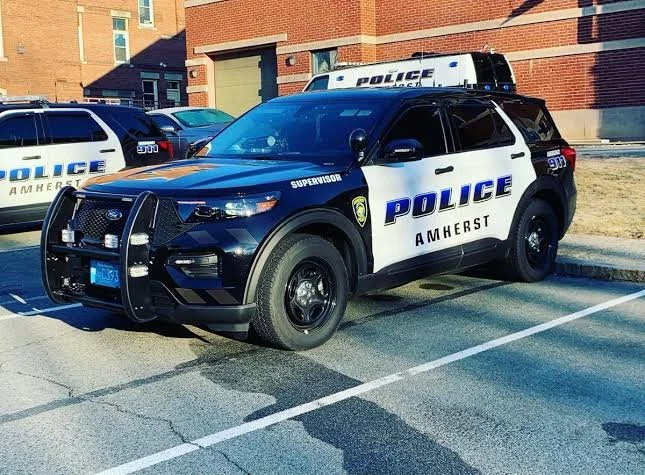
A Deaf woman in Amherst, Massachusetts is suing the town, its police department and four officers. She says police refused to give her a way to communicate while she was in custody.
What happened, according to the lawsuit
On Halloween night 2023, police arrested Kimberly DeBlase after a domestic disturbance at her apartment complex. The lawsuit says officers knew before they arrived that she was Deaf and used ASL. No one who knew ASL was sent.
At the station, DeBlase says she asked for an ASL interpreter and was refused. She also asked for MassRelay, Massachusetts’ 24/7 relay service for Deaf and hard of hearing people, and was refused that too. Officers let her FaceTime her sister, who interpreted in British Sign Language, but they ended the call when they didn’t agree with her sister’s advice. Her attorney says officers tried writing notes, but it wasn’t effective. DeBlase speaks some, but her speech becomes hard to understand when she’s under stress.
The lawsuit says that breakdown in communication led to a distressing incident in her holding cell. It says officers used excessive force, then added two more charges against her. Juries later found her not guilty on both charges that went to trial, and the rest were dismissed. The court records are sealed, so those outcomes couldn’t be independently confirmed.
DeBlase is asking for $5 million. The lawsuit claims violations of the Americans with Disabilities Act (ADA) and Massachusetts civil rights and public accommodation laws.
The town’s response
Town Manager Paul Bockelman said the town hadn’t been notified of the lawsuit before reporters asked about it and is reviewing it. “Everyone in our community deserves to feel safe and respected,” he said. In March 2026, more than two years after the arrest, Amherst police adopted a policy on communicating with Deaf and hard of hearing people.
Know your rights: what the ADA says
Under Title II of the ADA, police must make sure communication with a Deaf person is as effective as it would be with a hearing person. That means:
Officers must give primary consideration to the accommodation the Deaf person asks for, such as an ASL interpreter.
Writing notes is only acceptable if it actually works for that person.
Simple changes can help, like handcuffing someone in front so they can still sign or write.
“The final decision is up to the municipality, but it does have to be effective,” said Kathy Gips of the New England ADA Center, speaking about the law in general and not this case. “That’s the key piece of it.” She noted that services like MassRelay are available around the clock and work on any device with a camera.
Our take: Being able to communicate is a right, not a favor, and it matters most when someone is scared, in crisis or in custody. Stories like this show why every police department needs a clear plan before it’s needed, and why more hearing people learning ASL makes our communities safer.
